Top IT Service Trends Impacting Businesses Today


Embracing the Cloud
The shift to cloud-based solutions continues to be a dominant trend in the IT services sector. Businesses are increasingly leveraging the cloud to improve scalability, reduce costs, and enhance collaboration. Cloud platforms provide the flexibility needed to quickly adapt to changing business environments, making them an essential tool for modern enterprises.
Moreover, the integration of cloud services allows companies to access cutting-edge technologies without the need for significant upfront investments. This democratization of technology is empowering businesses of all sizes to compete on a more level playing field.
Hybrid Cloud Solutions
Hybrid cloud solutions are gaining traction as they offer the best of both worlds—combining the security of private clouds with the scalability of public clouds. This approach enables businesses to optimize their IT infrastructure according to specific needs, ensuring a more efficient and cost-effective operation.
Artificial Intelligence and Machine Learning
Artificial Intelligence (AI) and Machine Learning (ML) are transforming the IT landscape. Businesses are increasingly using these technologies to automate processes, enhance decision-making, and improve customer experiences. AI-driven analytics provide deep insights into market trends, helping companies to stay ahead of the competition.
Machine Learning, in particular, is being utilized to predict customer behavior and personalize services. This not only increases customer satisfaction but also boosts revenue by targeting the right audience with the right products.
AI in Cybersecurity
One of the most significant impacts of AI is in the realm of cybersecurity. AI systems can detect and respond to threats in real-time, significantly reducing the risk of data breaches. By analyzing patterns and identifying anomalies, AI enhances the overall security posture of organizations.
Internet of Things (IoT)
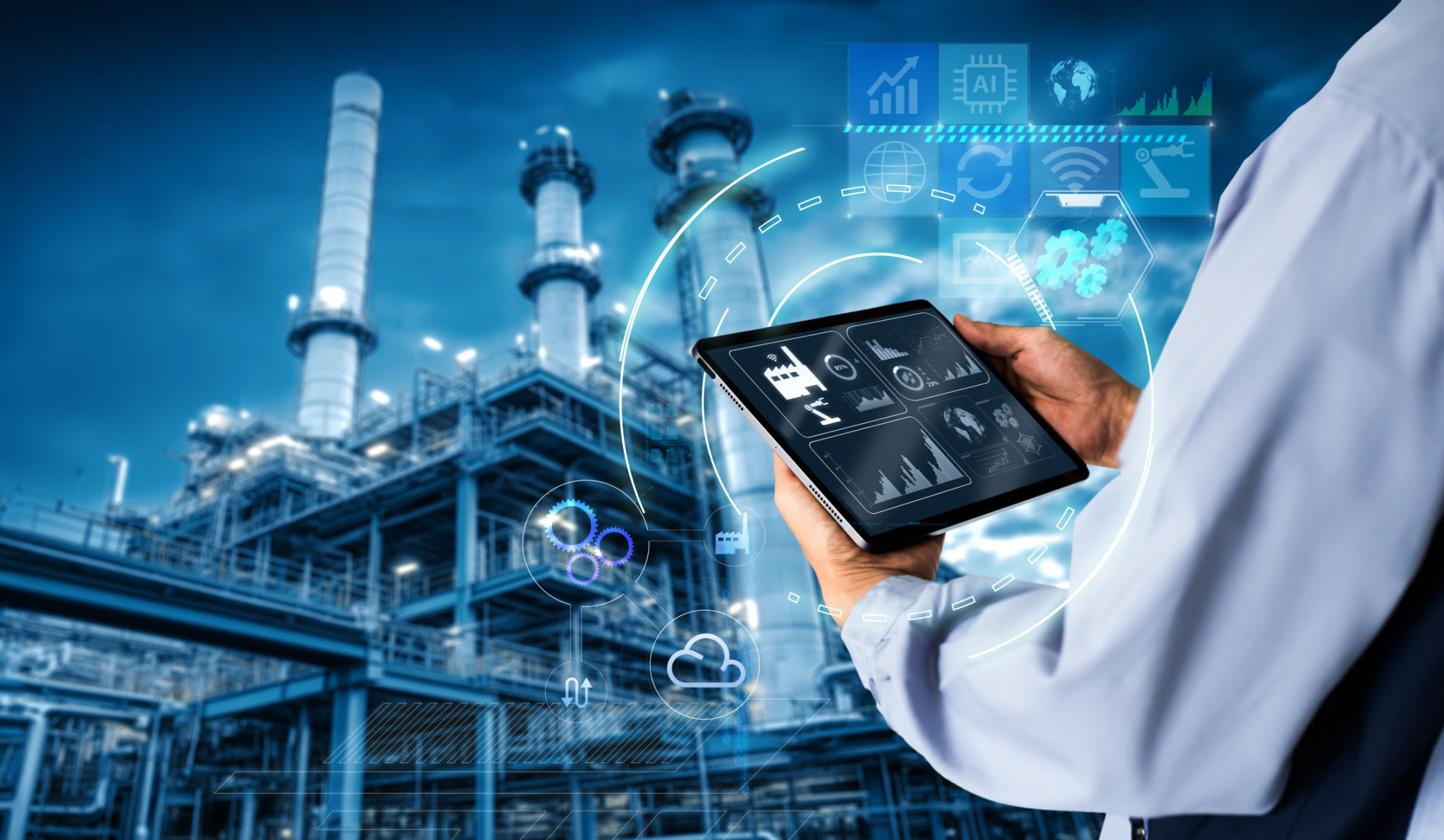
The Internet of Things (IoT) is revolutionizing how businesses operate by enabling the collection and analysis of vast amounts of data from connected devices. This data-driven approach allows companies to optimize operations, reduce downtime, and improve product offerings.
IoT solutions are particularly beneficial in industries like manufacturing, logistics, and healthcare, where real-time data can lead to significant improvements in efficiency and service delivery.
Challenges with IoT
Despite its benefits, IoT also presents challenges, especially concerning data security and privacy. Businesses must ensure that their IoT devices and networks are secure to protect sensitive information from potential cyber threats.
Remote Work Technologies
The COVID-19 pandemic has accelerated the adoption of remote work technologies, a trend that shows no signs of slowing down. Tools like video conferencing, project management software, and virtual collaboration platforms are now essential components of the modern workplace.
These technologies not only support flexible work environments but also contribute to improved productivity and employee satisfaction. Organizations are investing in robust IT infrastructures to support remote work, ensuring seamless communication and collaboration across teams.

Future of Remote Work
As businesses continue to adapt to the remote work model, the focus will likely shift towards enhancing security and ensuring reliable connectivity. The integration of AI and IoT into remote work technologies will further streamline operations, making remote work more efficient and secure.